NWSC commercial and billing teams have been urged to strengthen accountability, improve field monitoring and embrace data-driven operations as part of efforts to address recurring audit findings and enhance service delivery.
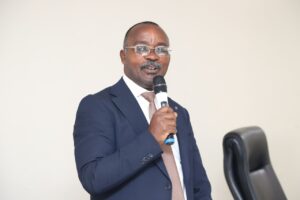
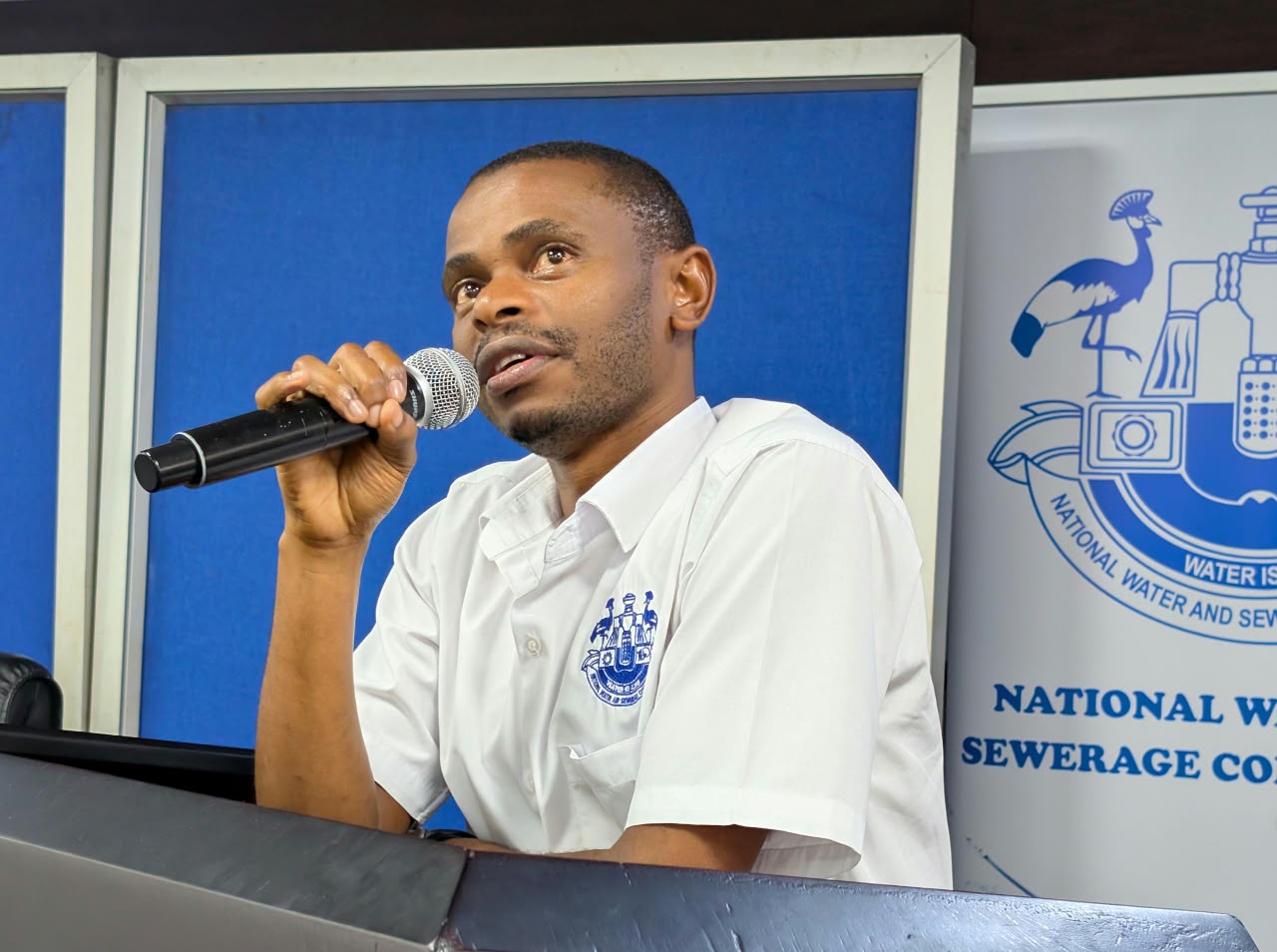
The call was made by Manager Compliance, Titus Niwamanya, during a presentation at the International Resource Centre (IREC) in Bugolobi, where he highlighted recurring audit findings within commercial and billing operations and outlined measures required to address them.
Among the areas highlighted were delays in processing new connections, gaps in meter management, unauthorised password sharing and inconsistencies in the management of fines arising from illegal connections.
Niwamanya noted that many of the findings are avoidable and can be addressed through stronger accountability, continuous staff training and improved oversight of commercial processes and billing system exceptions.
His presentation centred on three key pillars strong leadership, teamwork and professional objectivity which he described as critical to strengthening commercial performance across the Corporation.
Commercial and Billing Officers were encouraged to take greater ownership of their responsibilities by establishing clear accountability mechanisms, ensuring teams are adequately trained and executing field activities with integrity and precision.
Niwamanya emphasised that professionalism goes beyond compliance with established procedures. It also requires staff to take pride in their work, safeguard the interests of customers and protect the Corporation’s reputation.
A key part of the discussion focused on the use of proactive, data-driven field audits to identify irregularities before they develop into bigger operational challenges.
By routinely analysing consumption trends, meter status and billing accuracy, commercial teams can identify unusual patterns, including suppressed accounts, unexplained consumption trends and excessive reliance on estimated billing.
Such indicators, he noted, should trigger timely investigation and corrective action.
The approach is intended not simply to identify shortcomings, but to strengthen systems and improve performance. Early identification of weaknesses allows teams to correct errors, improve controls and prevent recurring audit findings.
Niwamanya challenged Commercial and Billing Officers to view accountability as a tool for continuous improvement rather than a punitive measure.
“Accountability is not a burden; it is our greatest tool for growth. Together, we can close the gaps, reduce audit findings and deliver the service our customers deserve,” he said.
The session underscored the importance of combining strong internal controls, staff responsibility and data-driven decision-making to build commercial operations that are efficient, accountable and trusted by customers.