The National Water and Sewerage Corporation (NWSC) has reaffirmed its commitment to improving service delivery through better coordination of infrastructure development following a high-level stakeholder harmonization meeting convened by the National Planning Authority (NPA).
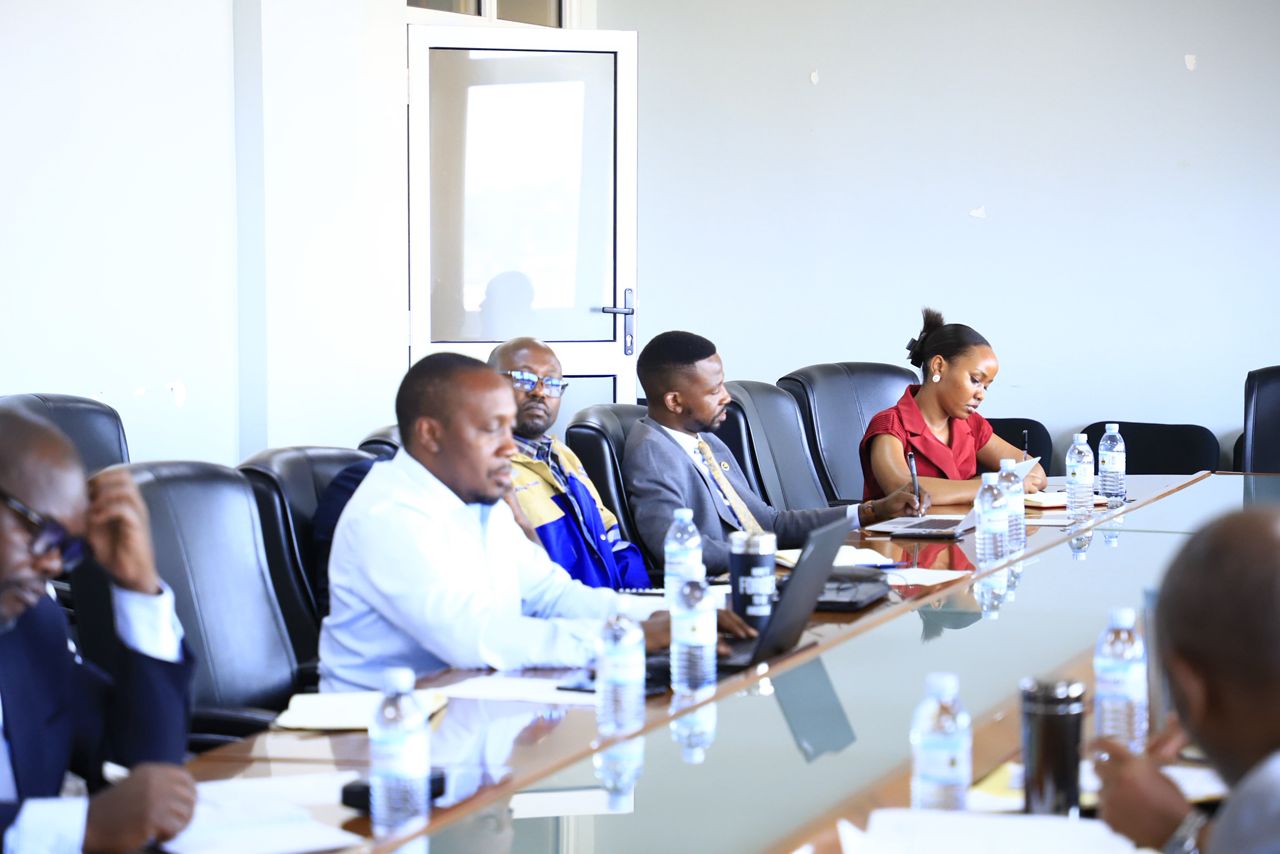
The meeting, held in Kampala, brought together representatives from the NPA, Kampala Capital City Authority (KCCA), local governments, road agencies, utility service providers and other key stakeholders to address the long-standing challenge of uncoordinated infrastructure development within the Greater Kampala Metropolitan Area (GKMA).
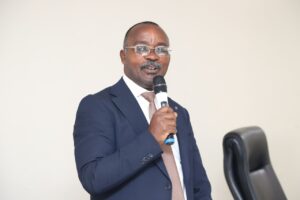
Speaking during the engagement, NPA Executive Director Dr. Joseph Muvawala emphasized the urgent need for integrated planning, noting that poor coordination among agencies has for years resulted in costly project delays, duplication of works and damage to existing infrastructure.
He observed that roads are often constructed and subsequently excavated to accommodate water mains, electricity lines and telecommunications infrastructure that were not adequately factored into the initial planning process.
“Historically, agencies have planned in silos. A road is paved today, only to be cut open tomorrow to lay a water main or a fiber-optic cable. This cycle is costly, inefficient and unsustainable,” Dr. Muvawala said.
He called upon all implementing agencies to resolve design conflicts during the planning stage and adopt coordinated technical blueprints that integrate roads, utility corridors, service ducts and future expansion requirements before projects receive final approval.
Dr. Muvawala further directed that utility relocation costs should be incorporated into project budgets from the outset to eliminate recurring disputes and ensure that utility providers are not unfairly burdened by costs arising from public infrastructure projects.
Representing NWSC, Mr. Process Ahabwe of Kampala Water highlighted the significant operational and financial challenges faced by utilities as a result of inadequate coordination among implementing agencies.
He noted that delayed communication and late-stage project implementation have repeatedly led to extensive damage to water infrastructure, resulting in increased water losses, service interruptions and escalating operational costs.
“These damages not only translate into substantial financial losses for the corporation but also undermine customer confidence through service interruptions and reduced reliability of supply,” he said.
Mr. Ahabwe stressed that improved collaboration among stakeholders is critical to safeguarding water infrastructure, reducing Non-Revenue Water (NRW) and ensuring uninterrupted water supply to customers across the metropolitan area.
A major outcome of the meeting was the resolution to establish an Infrastructure Integration Committee chaired by the National Planning Authority. The committee will comprise senior technical representatives from utility providers and government agencies and will be responsible for harmonizing infrastructure layouts, strengthening coordination and guiding infrastructure planning under the Greater Kampala Metropolitan Area Urban Development Programme (GKMA-UDP).
Working closely with technical leaders, including Eng. Joseph Kiwanuka Mukiibi, Commissioner for District, Urban and Community Roads at the Ministry of Works and Transport, the committee will also oversee the operationalization of a shared Spatial Data Infrastructure (SDI) for Geographic Information Systems (GIS) mapping to support evidence-based planning and decision-making.
The initiative is expected to usher in a new era of integrated urban development where roads, water networks, electricity systems, telecommunications infrastructure and other essential services are designed and implemented as a coordinated whole rather than as isolated projects.
For NWSC, the move represents a significant step towards protecting critical water infrastructure, improving operational efficiency and enhancing service reliability as Uganda’s urban centres continue to grow and expand.