In 2022, UN-Habitat and the National Water and Sewerage Corporation (NWSC Uganda) entered into a landmark cooperation agreement to implement the SEWATSAN Project. The initiative sought to strengthen the capacity of NWSC-Zambia in water and sanitation (WATSAN) services, with a deliberate focus on improving service delivery for Low Income Communities.
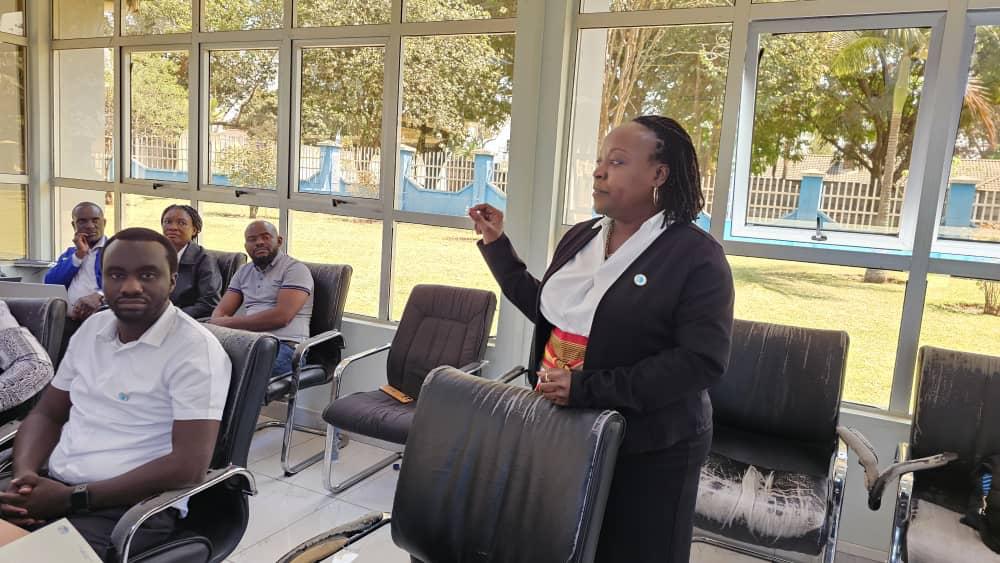
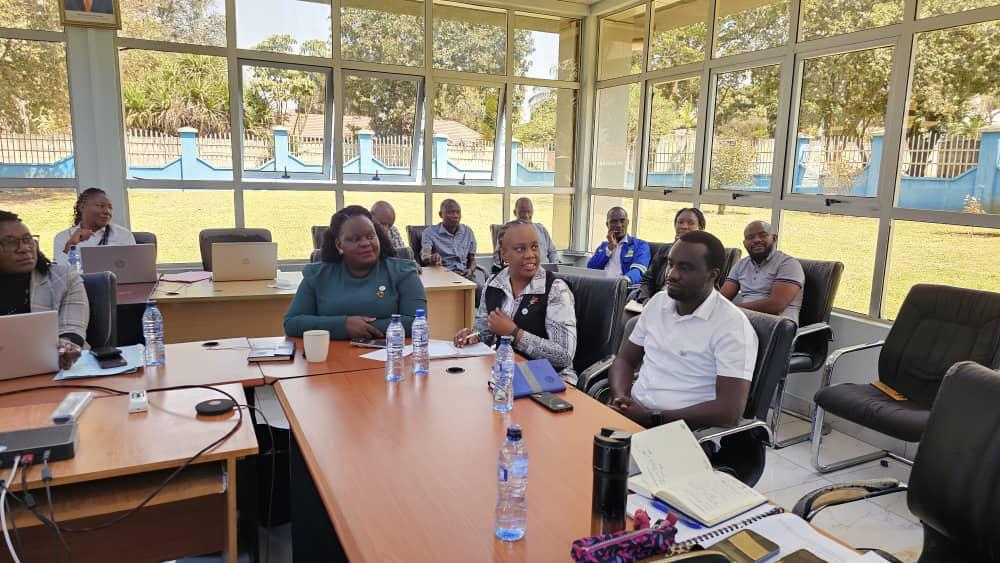
This week, beginning Monday 11th August 2025, the External Services Department of NWSC embarked on a week-long final evaluation of the SEWATSAN Project in Zambia. The assessment offered a moment to reflect on how far the collaboration has come and how deeply it has impacted communities.
The evaluation highlighted tangible achievements. Among the most notable were the reduction of Non Revenue Water (NRW), improved services for low income areas, increased revenue collection, and enhanced fecal sludge management. The project also established a monitoring and evaluation framework, while the development of a GIS database integrated with the billing system marked a leap forward in utility management.
The Executive Management and WOP representatives of Nkana Water also reflected on the broader impact of the partnership. They pointed to improved workflows across directorates, a shift in staff mindsets, and stronger operational systems. In his remarks, the Managing Director of Nkana expressed gratitude to the mentors, praising them for remaining true to realities on the ground, an approach that, he noted, has opened minds to the real challenges to tackle in the journey toward becoming a stronger utility.
The SEWATSAN Project stands as a testament to the power of cooperation, knowledge exchange, and mentorship in driving sustainable change within Africa’s water and sanitation sector.
As the review sessions concluded, the team led by Senior Director of Business and Scientific Services, Dr. Rose Kaggwa, emphasized areas for further growth. She called for stronger collaboration and communication through more joint sessions, better alignment of WOP objectives with the utility’s strategic plan, and the development of sustainable internal budgets that embed mentorship into routine operations.
Love the bonuses they give to new players. It really helps to get started without risking too much of my own cash. Great vibes at kaviar88slot