
Across many Ugandan towns, clean water used to be a distant promise. In some places, residents queued at unsafe water points, waited days for a water truck, or made long treks with jerrycans just to get through the day. But over the past decade, that story has quietly shifted as the National Water and Sewerage Corporation (NWSC) has turned years of scarcity into steady access, changing not only how people get water but how they live.
When NWSC launched its major expansion in 2013, it was operating in just 23 towns. Today, that number has grown to more than 280 urban centres across the country. The scale of that growth is impressive, but what makes it remarkable is how targeted and deliberate it has been, prioritising underserved communities and modernising outdated systems to ensure that progress reaches those who need it most.
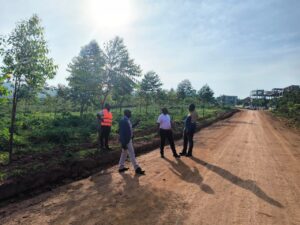
This revolution did not happen overnight. It started with infrastructure. NWSC poured resources into laying new pipes, building reservoirs, and upgrading water treatment plants. These significant investments formed the backbone of the utility’s reach. At the same time, NWSC introduced advanced monitoring tools, like district metered areas, to better manage water flow and detect losses, helping ensure that the water produced actually reached households and businesses.
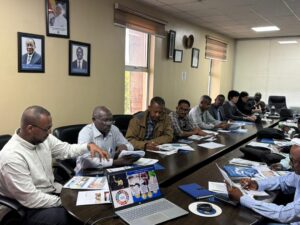
Equally important was a shift in how the utility operated. NWSC brings decision-making closer to the communities it serves by decentralising service delivery and empowering regional teams. Local teams, more attuned to the challenges on the ground, were able to respond faster and tailor solutions to fit specific needs. It is a model that has improved both efficiency and accountability.
Partnerships have also played a significant role. NWSC collaborated with local governments, donor agencies, and private sector players to expedite projects, especially in hard-to-reach or resource-constrained areas. These collaborations helped unlock financing, technical support, and local buy-in, ensuring that projects could move from plans to results without unnecessary delays.
Today, more than 15 million Ugandans get their water through NWSC’s piped network. In towns where water scarcity once defined daily life, reliable service is now part of the routine, and this shift has had ripple effects that improve public health, support small-scale enterprises, and fuel urban growth in places that were once overlooked.
But the journey isn’t over yet. There are still communities waiting for first-time access and others that need more resilient systems in the face of climate and population pressures. However, the progress made by NWSC thus far is impressive, indicating that the corporation will undoubtedly guarantee access to safe and clean water for all Ugandans through sustained focused investment, strategic partnerships, and a steadfast commitment to equity.