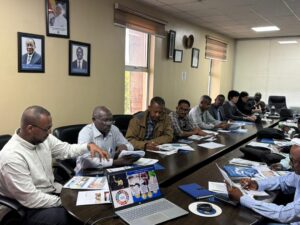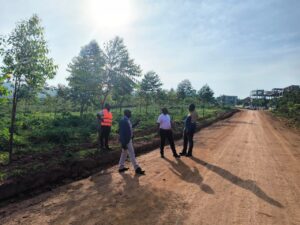
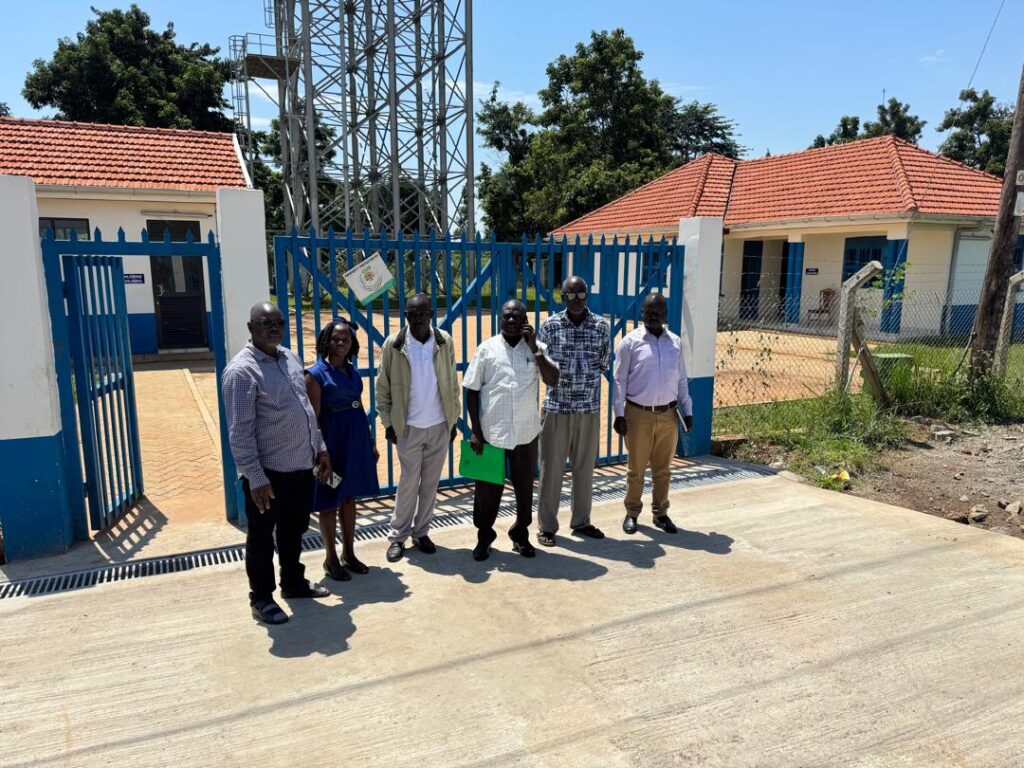
In a significant stride toward cementing its legacy for generations to come, the physical inspection and titling process for the vital Karuma Project installations has commenced, spearheaded by the Area Land Committees of Gulu in a series of critical and collaborative engagements. This pivotal move, unfolding across the districts of Omoro and Oyam, marks the transformation of occupied land into legally secured property, ensuring the future of the region’s water infrastructure.
The process was set into motion under the expert guidance of Mr. Robert Kioko, the Managing Director of LamRos Surveyors and Valuers, who was accompanied by the National Water and Sewerage Corporation (NWSC) management. Representing the corporation was Mr. Alfred Ogwok, acting on behalf of the NWSC Gulu Area Manager, Mr. Fred Businge. Together, this team embarked on a mission to meet with the very guardians of the land, the Area Land Committees and the immediate neighbours of the branch offices located in Koro Abili and Bobi.
Furthermore, the engagement sought to have these key community witnesses formally sign off on the land inspection documents, a vital procedural step that dramatically eases the often complex title acquisition process. Ultimately, this entire exercise was undertaken with a far sighted vision, to secure these essential properties for posterity, safeguarding the public’s investment for the benefit of future generations.
But the work does not stop at the borders of Omoro and Oyam. The momentum from these successful inspections is already carrying the team forward. Further engagements and contacts have been initiated with the Lands Committees overseeing the branch offices in Minakulu, located within Oyam District, and in Karuma, which falls under Kiryandongo. Plans are also actively being made to extend this rigorous physical inspection process to the crucial treatment plant in the subsequent days, ensuring every asset in the Karuma Project portfolio is accounted for and secured. This wave of activity builds upon the preliminary surveys that were meticulously conducted back in July, laying the foundational groundwork for the tangible progress now being witnessed.
This is more than a bureaucratic procedure, it is the act of etching a promise into the very soil a promise of permanence, reliability, and a secure water future for the communities served by the Karuma Project.