The National Water and Sewerage Corporation (NWSC) has taken another step towards strengthening sustainable waste management by undertaking a benchmarking visit to Luwero Industries Limited to explore incinerator technology for the safe and cost-effective management of hazardous solid waste.
The visit brought together officials from NWSC’s Research, Sewerage and Sanitation, Digital Solutions, and Faecal Sludge Management departments as part of ongoing efforts to identify innovative technologies that can improve operational efficiency while reducing the environmental impact of waste disposal.
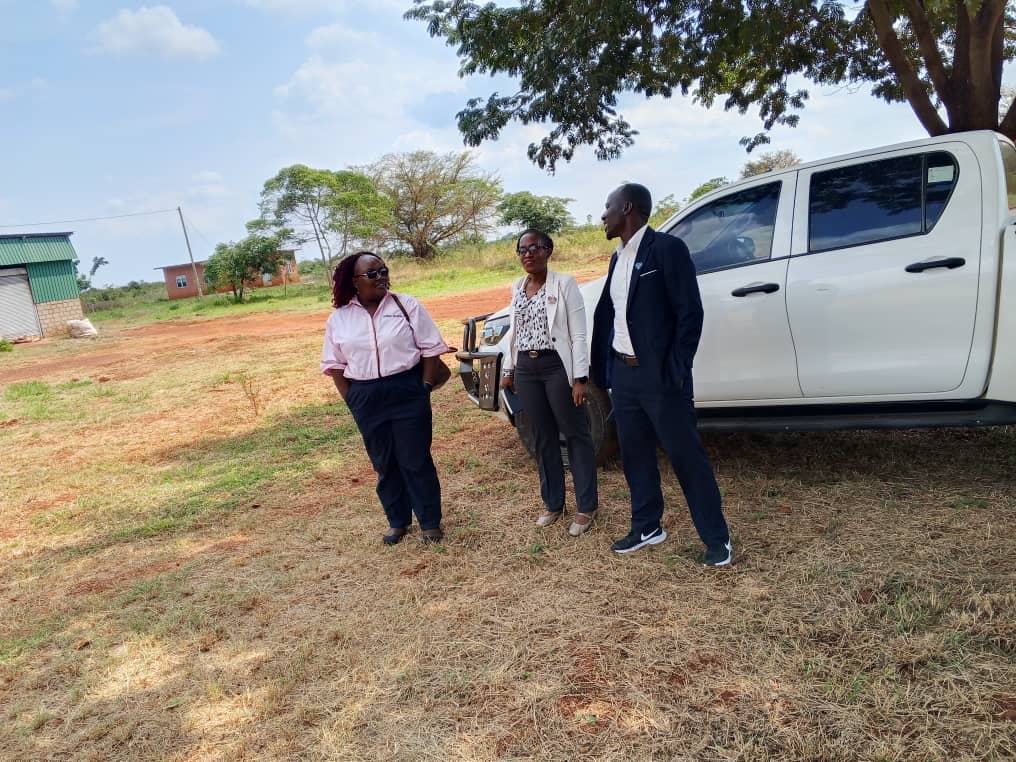
The delegation included Manager Research, Sewerage, Sanitation and Environment, Ms. Morena Akurut; Manager Research, Water Use Efficiency and Digital Solutions, Ms. Jacqueline Bagonza; and Manager, Lubigi Faecal Sludge Treatment Plant, Eng. Dr. Ronald Sakya.
The benchmarking exercise was driven by the increasing volumes of hazardous solid waste generated during wastewater and faecal sludge treatment processes. Materials such as grit, plastics, rags and sludge-related residues continue to present disposal challenges, with the Corporation currently relying on off-site disposal at significant cost.
NWSC currently spends approximately UGX 5 million per tonne to transport hazardous waste for disposal in Nakasongola, with annual contractor costs estimated at UGX 200 million.
The Corporation is therefore exploring more sustainable and economically viable alternatives that can support long-term waste management.
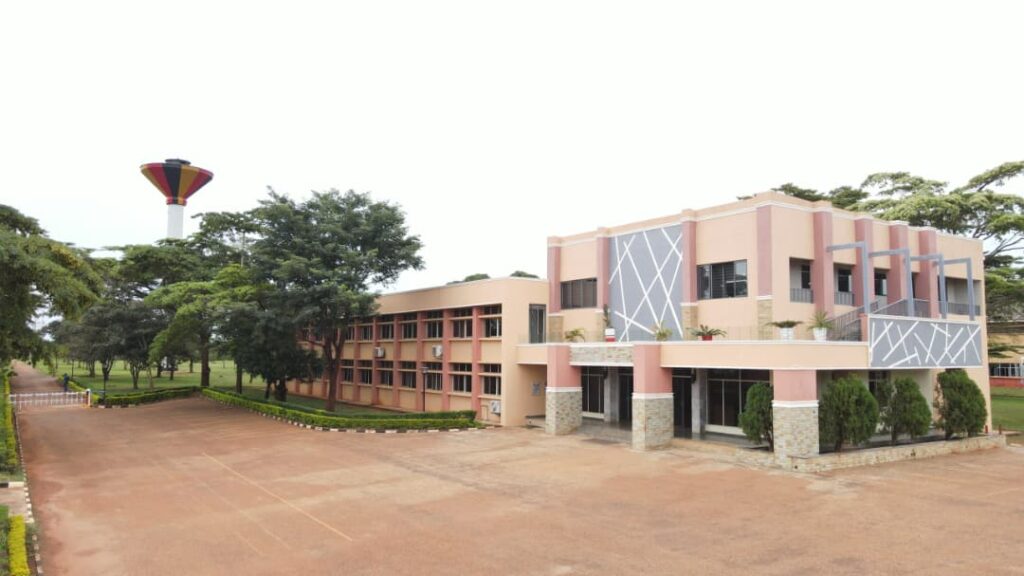
Hosted by Luwero Industries Limited, one of Uganda’s licensed hazardous waste incineration facilities, the visit provided participants with practical insights into the operation of industrial incinerators and the regulatory requirements governing hazardous waste treatment.
The team toured the facility and gained first-hand knowledge of the complete waste management process, including waste reception and segregation, incinerator operations, emissions control systems, ash handling procedures, licensing requirements, and the key operational cost drivers associated with running an incineration facility.
The engagement forms part of NWSC’s broader commitment to adopting innovative technologies that enhance environmental sustainability, improve operational efficiency, and strengthen the management of waste generated across its treatment facilities.
Lessons from the benchmarking visit are expected to inform future decisions on waste management solutions for the Lubigi Faecal Sludge Treatment Plant and other NWSC facilities, supporting the Corporation’s efforts to deliver environmentally responsible and cost-effective sanitation services.