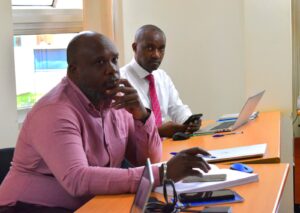
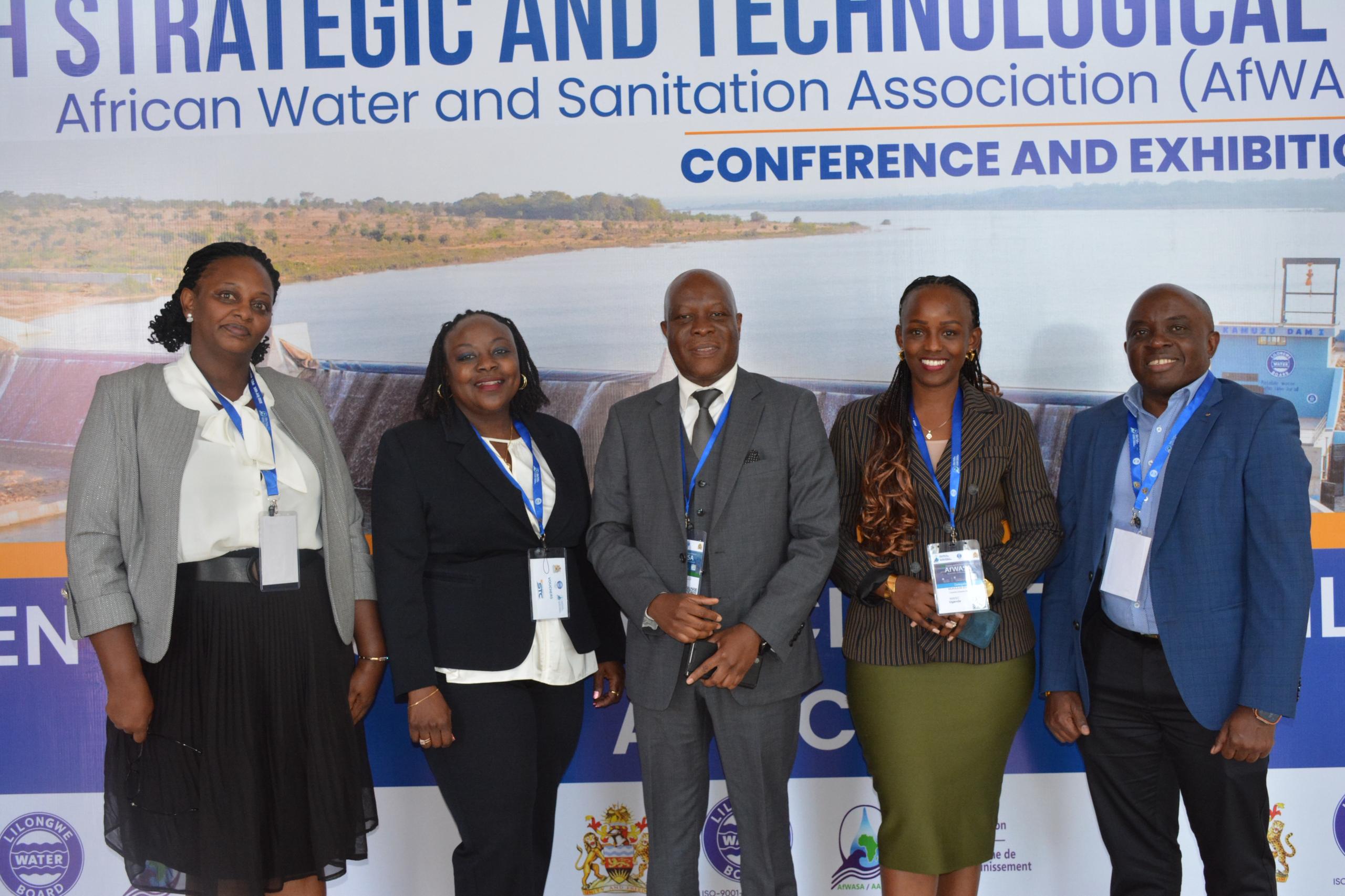
There was a different kind of energy in the air on Day 2 of the 95th STC meetings at the AfWASA Conference. The kind that hints at something shifting. Conversations felt richer. Ideas sparked louder. And with each session, it became clear Africa’s water sector is not just talking about change. It’s moving with intention.
The morning opened with a powerful reflection from Dr. Rose Christine Kaggwa, whose presence continues to inspire across the continent. Taking the room back to the recent AfWASA Congress, she reminded delegates not just of its scale over 2,200 participants, 67 countries, 35 sponsors, and 58 technical sessions but of its spirit.
It was, as she described, “a Congress of courage and connection.” A space where voices from across Africa and beyond came together to share research, innovation, and resolve. From young water professionals and seasoned engineers to policymakers and dreamers, it was a moment where ideas flowed as freely as the water they’re all working to protect.
But it wasn’t just about participation. It was about what was planted.
The launch of the African Water Sanitation Academy and the Africa Utility Data Collaboration stood out as bold commitments to capacity building and data driven progress. Forums like the Young Water Professionals and the Women in Water Forum saw powerful conversations around leadership, equity, and the future of the sector.
Even with a modest deficit, a budget of $1.521 million met by $1.238 million raised by Dr. Kaggwa spoke with confidence about the Congress’ financial stewardship. “We didn’t just raise money. We raised momentum,” she noted.
Her call to action was clear: lift local technologies, expand practical learning, and honour the Kampala Declarations with action, not just words.
As afternoon light poured into the venue, the room leaned in for what became the day’s turning point: the unveiling of a reimagined Strategic and Technical Council.
At the helm was Eng. Mahmood Lutaaya, Chairperson of the STC and a firm believer in purposeful reform.
“This is more than a restructure. It’s a refocus,” he said, outlining a new vision for the council, one that trades complexity for clarity and bureaucracy for boldness.
The new STC framework reduces the council to a streamlined 25 members, better equipped to act swiftly and strategically. Central to this transformation are eight Specialist Groups, each created to tackle core challenges from climate change and sanitation to innovation, investment, and rural access.
Each group will operate like a task force with designated leaders, action plans, and the mandate to deliver. Elections within groups will be held every two years, ensuring fresh ideas and shared ownership.
There was a buzz in the room as these plans were laid out. It felt like a passing of the torch not from one person to another, but from past practices to a future driven by intention, collaboration, and measurable impact.
By sunset, as delegates stepped out into the Malawian breeze, there was a shared sense of movement. Not just on paper, not just in presentations but in the hearts and minds of those present.
Africa’s water story is being rewritten. And on Day 2, the pen was held firmly in Africa’s hands.