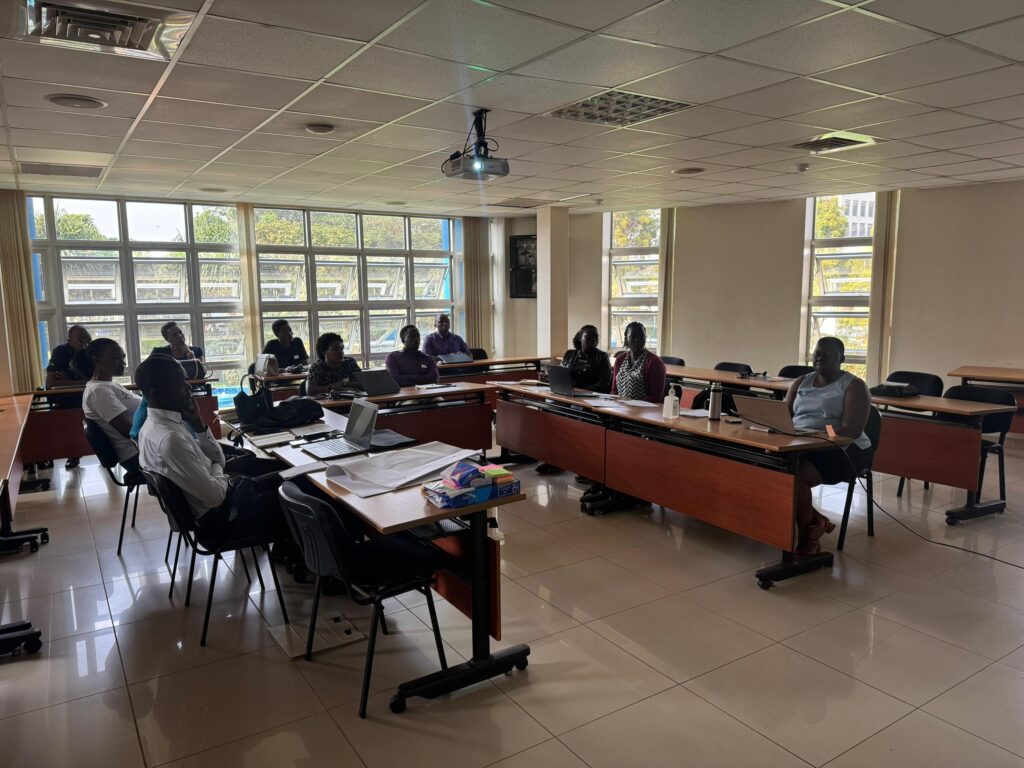
A fresh wave of insight swept through the water and sanitation sector this week as utility professionals gathered for Day Two of the “Communication and Visibility for Meaningful Partnerships” workshop, an initiative under the VEI WaterWorX Programme aimed at sharpening communication approaches for greater impact and collaboration.
Hosted by the External Services Unit of National Water and Sewerage Corporation (NWSC), the session brought together participants from six regional utilities alongside representatives from the Ministry of Water and Environment, the Umbrella Authorities, and other sector stakeholders.
Held at IREC Bugolobi, the workshop provided a platform for participants to reflect on performance, build practical skills, and explore the role of strategic messaging in transforming utility service delivery.
The day began with a review and discussion of performance data from the various Umbrella Authorities grounding the learning sessions in real-world context and challenges.
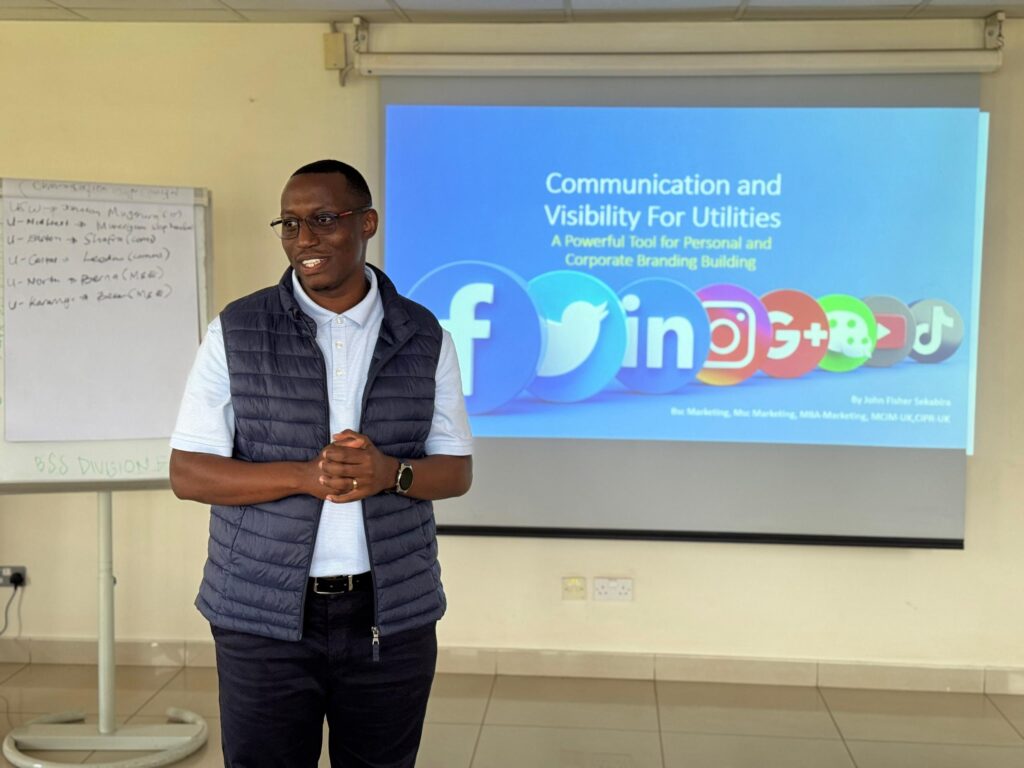
From there, the workshop transitioned into high-impact presentations led by Ms. Anne Serunjogi Namakula, a seasoned communications practitioner, and John Fisher Sekabira Manager Marketing and Digital Communications ,a corporate branding strategist. Together, they guided participants through key principles of creative problem solving, storytelling for public interest, and visual communication strategies tailored for utility environments.
Sekabira’s deep dive into digital branding drew attention to the growing relevance of platforms like LinkedIn, X (formerly Twitter), Facebook, Instagram, and YouTube in both institutional visibility and personal career growth. His presentation emphasized the value of authenticity, clarity, and consistency in digital engagement.
Namakula, on the other hand, led an interactive session unpacking the traditional and modern approaches to using visuals to communicate complex ideas in relatable ways especially when addressing communities and stakeholders.
What emerged from the day was a clear understanding that communication in the water and sanitation sector is no longer a secondary tool. It is central to stakeholder engagement, public accountability, and institutional growth.
The workshop also offered participants a rare chance to collaborate across institutions, learn from one another’s experiences, and envision a future where messaging aligns seamlessly with mission.
As the host department, the External Services Unit was instrumental in curating an atmosphere of learning, creativity, and professional exchange. Their commitment to strengthening internal capacity and sector wide storytelling set the tone for what many participants described as a timely and transformative session.
With the VEI WaterWorX knowledge exchange sessions continuing, the focus remains on building resilient systems powered by clear communication, digital tools, and meaningful partnerships.