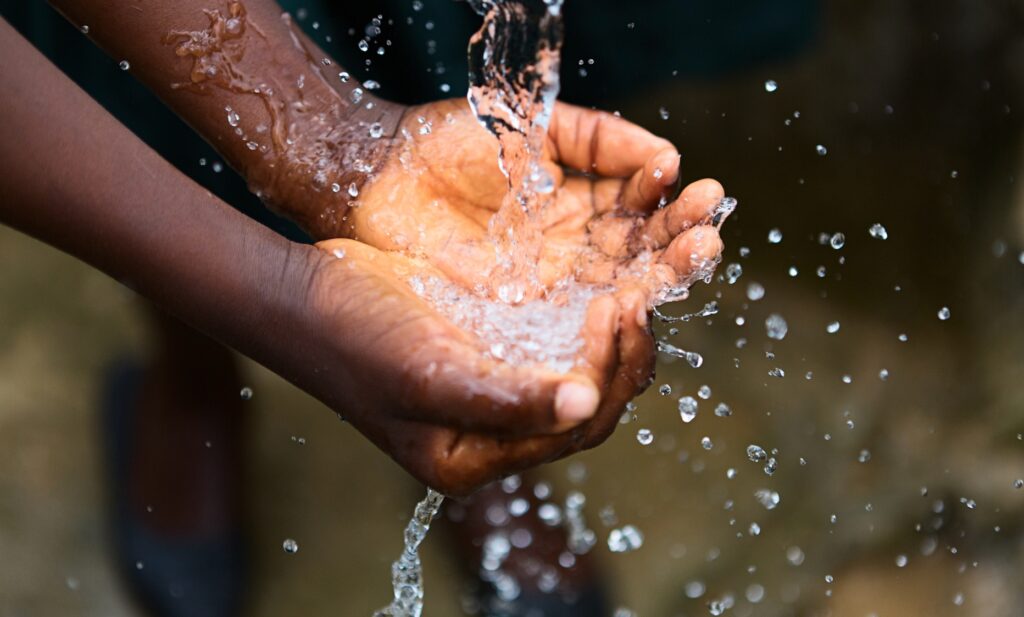
Uganda’s population is growing fast, and with it, the pressure on public infrastructure is intensifying. Water, one of the most critical services, is probably the flag bearer of this challenge. So in response, the National Water and Sewerage Corporation (NWSC) is stepping up with a strategy designed to keep pace with demand and, if possible, stay ahead of it.
Back in 2023, Uganda’s population stood at roughly 45 million. By 2035, that number is expected to surpass 60 million, which demographic trend translates into a major operational challenge for NWSC’s efforts to expand access to clean, reliable water for millions more people.
The NWSC projects that the number of people it serves will rise from 17.5 million in 2021 to over 32 million by 2034, which only means that the utility has to plan, build, and operate infrastructure on an entirely new scale, one that keeps pace with population growth as well as anticipates future demand.
A clear depiction of this scale-up is the sharp rise in water production volumes over the past decade. In 2013, NWSC was producing 276 million cubic meters of water per day. By 2024, that figure had surged to 730 million, an 85% increase. This growth is the result of sustained investment in infrastructure, particularly in fast-growing urban centres like Kampala, where demand has risen just as quickly as the population.
One of the most significant investments underpinning this growth is the Katosi Water Treatment Plant, a flagship project designed to supply 160,000 cubic meters of water per day, but with future upgrades, its output is expected to reach 240,000 cubic meters, enough to serve more than 7.5 million people by 2040.
To ensure water actually reaches the people who need it, the utility is simultaneously upgrading its distribution network. In Kampala, a €93 million investment is already underway and it includes the installation of 71 kilometers of new primary mains, construction of reservoirs with a total capacity of 13.5 million litres, and the addition of new booster stations. These upgrades are key to unlocking the full potential of the Katosi plant, which currently operates below its designed output due to limitations in the downstream network.
NWSC’s focus is not limited to the capital. In rapidly urbanizing towns like Masaka, Mbarara, Fort Portal, Gulu, and Lira, the utility is rolling out major water projects aimed at anticipating and meeting future demand. The Masaka–Mbarara initiative alone is projected to serve over one million people by 2030, illustrating the scale and ambition behind NWSC’s regional expansion.
But as the population grows, so do the risks of inefficiency. One of NWSC’s top priorities is reducing non-revenue water, water that is produced but not billed due to leaks, theft, or metering issues. Currently at 34%, NWSC aims to bring that figure down to 30% by 2029. Investments in leak detection technology, smart metering, and stricter operational oversight are all part of that effort.
What’s clear from NWSC’s approach is that this is a long-term thinking in action. The utility’s current investments are not simply about meeting today’s needs, but building a system that can handle the demands of tomorrow. In doing so, NWSC is laying the groundwork for a water-secure future in a country where the population, and the pressure, is only rising.
Hey everyone, I checked out jljl4. It’s kind of quirky, but in a good way. Different from the usual stuff. Not sure it’s for everyone, but give it a shot. jljl4
Rajabets1 is my go-to for cricket betting. The live betting options are awesome, and they usually have some cool promotions running. The customer support is responsive too, which is a huge plus. Def recommend giving it a shot: rajabets1.
I just tried out the 223betapp! Its pretty nice! Super-easy to install and run. Have a visit to see the amazing app at this link 223betapp.